SHIELDGUARD LEARN: DEX SCAM PREVENTION GUIDE
Topic: Navigating Decentralized Exchanges (DEXs) Safely – Common Scams and How to Protect Your Assets
Decentralized Exchanges (DEXs) are cornerstones of the crypto ecosystem, offering peer-to-peer trading without intermediaries. However, their permissionless and often anonymous nature also makes them fertile ground for sophisticated scams. As the DEX landscape evolves, so do the tactics of malicious actors. This guide will deep-dive into recent DEX-based scams and provide essential security guidelines for ShieldGuard members.
The Evolving Landscape of DEX Scams (2024-2025)
Recent trends show that DEX scams are becoming more complex, often leveraging automated bots, flash loans, and intricate social engineering to exploit unsuspecting users and even contract vulnerabilities.
1. Liquidity Pool Scams (Rug Pulls 2.0)
This remains the most prevalent DEX scam, but with new variations.
- Traditional Rug Pulls: Project creators launch a new token, create a liquidity pool (e.g., on Uniswap, PancakeSwap) with ETH/BNB, hype it up to attract investors, and then suddenly withdraw all the paired cryptocurrency (ETH/BNB) from the pool, leaving investors with worthless tokens and no way to sell.
- “Soft” Rug Pulls: Instead of draining the LP, developers simply abandon the project, cease marketing, and slowly dump their own tokens, causing the price to plummet.
- Honeypots (Cannot Sell): This is a particularly insidious form where the token’s smart contract is coded to only allow specific addresses (usually the developer’s) to sell the token, trapping buyers. You can buy, but you can never sell.
2. Fake Tokens & Impersonation Scams
Exploiting brand recognition and unsuspecting traders.
- Counterfeit Tokens: Scammers create tokens with names and ticker symbols identical or very similar to legitimate, popular cryptocurrencies (e.g., “USDT” with a slightly different contract address). They then list these fake tokens on a DEX and rely on users not checking the contract address before buying.
- Phishing DEXs: Malicious actors create entire DEX interfaces that look exactly like legitimate ones (e.g., Uniswap.org vs. Uniswap.net). When users connect their wallets or try to perform a swap, they either lose their assets to a malicious contract or unwittingly approve a wallet-draining transaction.
3. Flash Loan Attacks & Oracle Manipulation
These are more technically complex and often target other DeFi protocols, but impact DEXs.
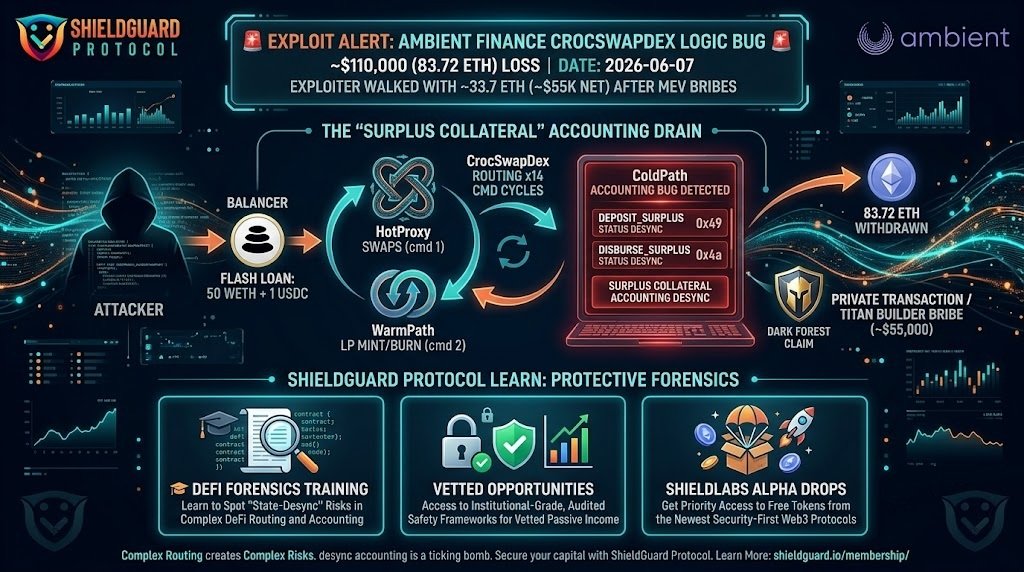
- Flash Loans for Price Manipulation: Attackers borrow a huge sum of crypto (a flash loan) without collateral, use it to manipulate the price of a token on a DEX (e.g., buying it cheap, selling high on another DEX), repay the loan within the same transaction, and pocket the profit. While not directly scamming individual users, these can destabilize token prices and lead to losses for LPs and traders.
- Oracle Manipulation: Some DEXs or DeFi protocols rely on external price “oracles.” Attackers manipulate these oracles to feed false price data, allowing them to exploit mispriced assets on the DEX.
4. Front-Running & Sandwich Attacks (MEV)
These are often automated attacks.
- Front-Running (MEV): Malicious bots monitor pending transactions on the blockchain. If they detect a large buy order for a token on a DEX, they quickly submit their own buy order for the same token with a higher gas fee (so it gets processed first). Once the large buy order goes through and drives up the price, the bot immediately sells its tokens for a profit.
- Sandwich Attacks: This combines front-running with back-running. The bot places a buy order before a victim’s transaction and a sell order immediately after, “sandwiching” the victim’s trade and profiting from the price movement they caused. These often result in users receiving less token than expected or paying more.
5. Social Engineering & Malicious DApps
Leveraging trust and ignorance.
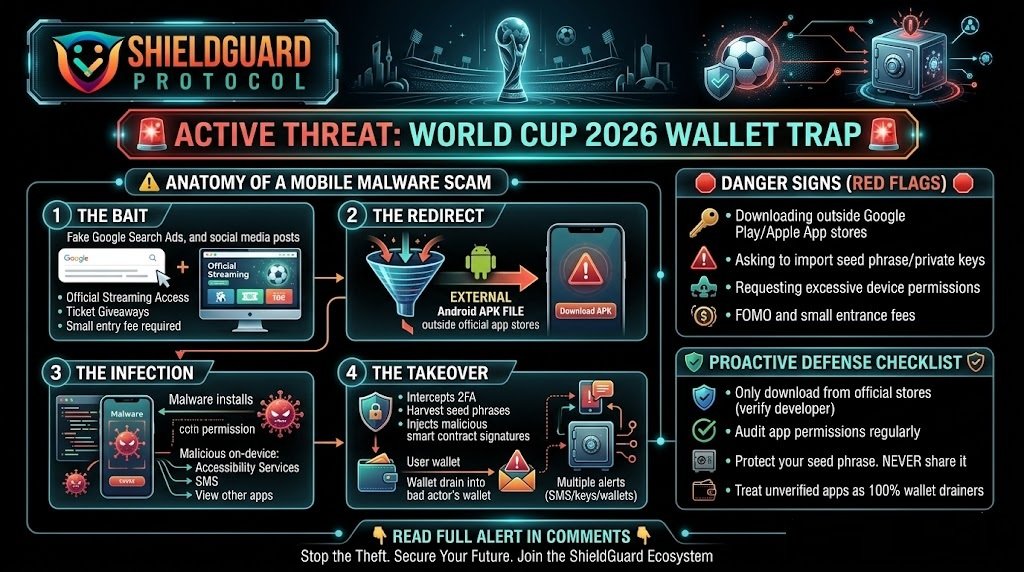
- Fake Airdrops/Giveaways: Scammers promote fake airdrops requiring users to connect their wallet to a malicious website disguised as a DEX or a DApp. Approving the transaction drains their wallet.
- Compromised Influencers/Promoters: Scammers pay or hack influencers to promote fake tokens or malicious DEX links, leveraging the influencer’s trust to trap followers.
ShieldGuard Security Guidelines for Safe DEX Usage
Your best defense against DEX scams is vigilance, deep verification, and secure wallet practices.
🔒 Wallet Hygiene & Transaction Scrutiny
- Dedicated “Hot” Wallet: Use a separate, low-value hot wallet only for interacting with DEXs and new DApps. Keep your main assets (especially NFTs and large sums) in a cold storage or a different, secure hot wallet.
- Read Transaction Details Carefully: Before approving any transaction, carefully review what you are signing.
approve(): Be wary of approving unlimited spending for unknown contracts. Only approve what is necessary, and consider revoking permissions regularly.transferFrom(): This can be used in malicious ways if you give broad permissions.- Check Token Amounts: Ensure the amounts being transacted match your intent.
- Revoke Token Approvals (Highlighting Rabby Wallet): Regularly review and revoke unnecessary token spending permissions. For advanced control and ease of use, consider using Rabby Wallet, which offers robust features to revoke approvals by specific contract or by individual asset. This granular control helps close potential backdoors more effectively than general revoke tools.
🔎 Deep Due Diligence on Tokens & Projects
- Verify Contract Addresses: ALWAYS verify the contract address of any token you plan to trade against official sources (project website, CoinGecko, CoinMarketCap, Etherscan). Never rely solely on the token name or ticker on a DEX.
- Check Liquidity & Locks: Before trading a new token, check its liquidity pool on the DEX. Look for locked liquidity (e.g., via UniCrypt, DxSale). Projects that lock their liquidity are less likely to rug pull. Low liquidity is also a red flag for volatility and potential manipulation.
- Audit Smart Contracts: For larger investments, look for audit reports from reputable firms for the token’s smart contract. If none exist, proceed with extreme caution.
- Check Holders & Distribution: Use a blockchain explorer to see the token’s holder distribution. If one or a few wallets hold an overwhelmingly large percentage, it’s a major red flag for potential price manipulation or a rug pull.
- Beware of “Honeypot” Contracts: Use tools like Token Sniffer (though not foolproof) to check new token contracts for potential “honeypot” code that prevents selling.
🌐 Secure DEX Interaction & Information Gathering
- Bookmark Official DEX Sites: Always use official, bookmarked URLs for DEXs (e.g., app.uniswap.org, pancakeSwap.finance). Never click on links from unsolicited messages, social media posts, or suspicious emails.
- Cross-Verify Information: Never trust a single source. Verify project information, token addresses, and listing announcements across multiple official channels (official website, verified Twitter, Discord, Telegram with anti-scam measures).
- Understand Gas Fees: Be aware that high slippage or excessive gas fees on a DEX could indicate a honeypot (where the contract makes selling difficult) or a front-running bot activity.
By integrating these robust security practices, ShieldGuard members can confidently navigate the exciting, yet challenging, world of Decentralized Exchanges. Stay vigilant, stay secure!