SHIELDGUARD LEARN: FAKE CRYPTO TRADING APP SCAMS
Topic: Spotting the Deception – How to Identify and Avoid Fake Crypto Trading App Scams
The allure of quick profits in cryptocurrency, combined with the convenience of mobile trading, has created a fertile ground for sophisticated scams. Fake crypto trading apps are a rapidly growing threat, often leading to total loss of funds. These are not just poorly designed phishing sites; they are elaborate schemes designed to look, feel, and even function like legitimate platforms, all while siphoning off investor capital. This report from ShieldGuard Learn will detail recent tactics used by fake crypto trading apps and provide essential guidelines to protect yourself.
The Anatomy of a Fake Crypto Trading App Scam (2024-2025 Trends)
Recent cases highlight increasing sophistication, often involving social engineering and a long “grooming” process before the final heist.
1. The “Pig Butchering” (Sha Zhu Pan) Scam
This is the most notorious and financially devastating fake app scam.
- How it Works: Scammers spend weeks or months building a rapport with victims (often through dating apps, social media, or professional networking sites), gaining their trust. They then introduce the victim to a “highly profitable” crypto investment opportunity on a seemingly legitimate-looking trading app.
- The Fake App: The app often displays realistic-looking charts, fictitious profits, and allows small withdrawals initially to build confidence. Victims are encouraged to deposit increasingly larger sums.
- The Trap: When the victim attempts a significant withdrawal, they are met with demands for “taxes,” “fees,” “anti-money laundering deposits,” or other fabricated charges. Eventually, the scammer disappears, the app goes offline, and all deposited funds are lost. The app never actually trades real crypto; it’s just a digital interface showing fake numbers.
2. Impersonation & Brand Hijacking Apps
Leveraging trust in established names.
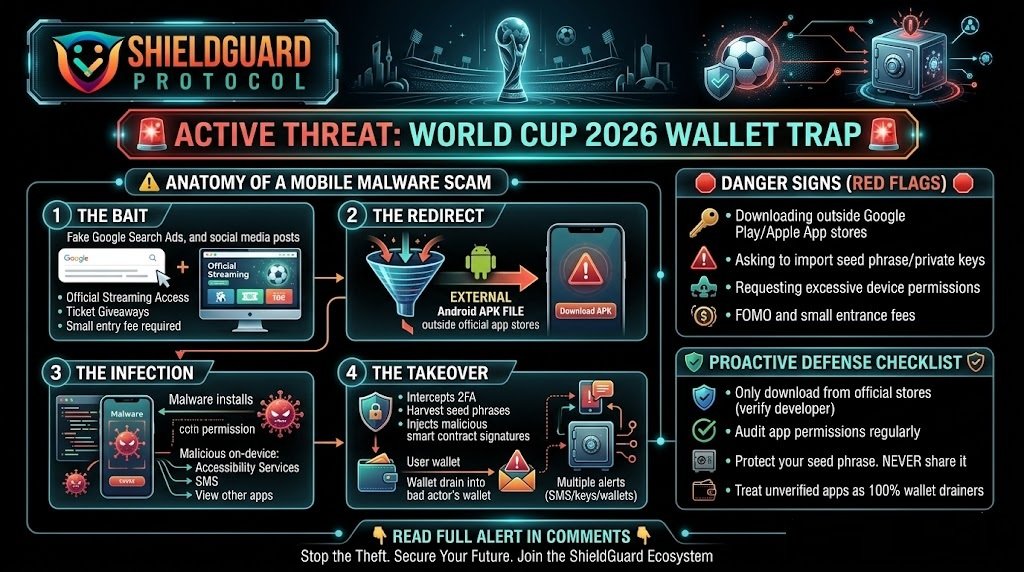
- Fake Exchange Apps: Scammers create mobile apps that mimic popular exchanges (e.g., Binance, Coinbase, Kraken). These apps are often distributed outside official app stores (e.g., via direct download links, compromised websites, or third-party app repositories). Once installed, they might steal login credentials, private keys, or directly drain funds by tricking users into connecting their real wallets.
- Fake Wallet Apps: Apps impersonating well-known crypto wallets (e.g., MetaMask, Trust Wallet) can steal seed phrases or private keys when users attempt to “import” their existing wallet.
3. Malicious Trading Bots & AI Software Scams
Promising automated, guaranteed profits.
- Fake AI Trading Bots: Scammers advertise AI-powered trading bots that guarantee impossibly high, consistent returns. They direct victims to download an app or software that purports to host this bot.
- Subscription & Deposit Scams: Victims pay a subscription fee for the “bot” and deposit funds into a controlled wallet within the fake app. Similar to pig butchering, the app shows fake profits, but withdrawals are blocked or require additional “fees” until all funds are drained. The “bot” is just a script displaying arbitrary numbers.
4. Phishing Apps & Malware
Direct theft through deceptive software.
- Malicious Code Injection: Apps might appear legitimate but contain hidden malicious code. When installed, they can monitor clipboard data (to swap wallet addresses), steal login credentials from other apps, or even gain remote access to the device.
- Fake DeFi/Staking Apps: Apps promising high APY staking or DeFi yields that are actually just interfaces for draining connected wallets or collecting deposits that are never returned.
ShieldGuard Security Guidelines for Avoiding Fake Crypto Trading Apps
Your strongest defense against these sophisticated scams is extreme skepticism, rigorous verification, and secure device habits.
1. Verify Your Source (Crucial Step!)
- Official App Stores ONLY: Download crypto trading apps, wallets, and exchanges ONLY from the official Apple App Store (for iOS) or Google Play Store (for Android). Even then, proceed with caution.
- Cross-Reference Official Websites: Before downloading, go to the official website of the crypto exchange or wallet provider (e.g., Binance.com, Metamask.io) and look for their direct links to their official apps in the app stores. NEVER use a link provided in a DM, email, or unverified social media post.
Developer Name Check: In the app store, verify the developer’s name matches the official company. Look for a long history of updates and positive, legitimate reviews (not just generic 5-star ratings).
App Permissions: Be suspicious if an app requests excessive permissions (e.g., access to your contacts, photos, or microphone) that are unrelated to its core function.
2. Beware of Social Engineering & “Too Good to Be True” Offers
- Skepticism of Strangers: Be extremely wary of anyone (especially new acquaintances from dating apps or social media) who suddenly introduces you to a “guaranteed” crypto investment platform or “expert.” This is the hallmark of “pig butchering.”
- Unrealistic Returns: Any app or platform promising impossibly high daily/weekly/monthly returns with no risk is a scam. Real crypto trading involves significant risk and volatility.
- Pressure Tactics: Scammers often create a sense of urgency (“limited-time offer,” “don’t miss out”). Take your time, do your research, and don’t let FOMO (Fear Of Missing Out) drive your decisions.
- Unsolicited Advice: Be cautious of unsolicited investment advice, especially if it leads to downloading an unfamiliar app.
3. Protect Your Funds & Information
- Start Small (Very Small): If you’re using a new, unverified app (which you shouldn’t be for crypto!), only deposit a minuscule amount you are absolutely willing to lose. Try a small withdrawal immediately. If withdrawals are blocked, it’s a scam.
- Dedicated Device/Wallet: Consider using a separate device or a dedicated, low-value hot wallet only for interacting with new or experimental crypto apps. Keep your main crypto holdings in a hardware wallet or a well-established, secure exchange.
- Never Share Private Keys/Seed Phrases: No legitimate app or support agent will ever ask for your private key or seed phrase. Entering this into a fake app gives scammers immediate access to all your funds.
- Strong, Unique Passwords & 2FA: Use strong, unique passwords for all crypto accounts and always enable two-factor authentication (2FA) using an authenticator app (e.g., Google Authenticator, Authy), not SMS.
By adhering to these ShieldGuard guidelines, you can significantly reduce your risk of falling victim to fake crypto trading app scams and protect your digital assets. Stay vigilant!