ShieldGuard Learn: Scam Prevention & Education
SECURITY GUIDE: The Silent Thief – How Malicious Signatures and Wallet Drainers Steal Your Crypto
Introduction: The Invisible Threat to Your Digital Vault
You’ve memorized the golden rules of crypto security: never share your seed phrase, always double-check addresses, and consider a hardware wallet for your most valuable assets. But are you truly safe? A new, insidious wave of “silent thief” scams is now emptying wallets with a single, deceptive click: the malicious signature.
Unlike traditional phishing where you might accidentally give away your password or seed phrase, these advanced attacks trick you into authorizing the theft yourself through seemingly innocent smart contract interactions. They exploit the very nature of how we interact with decentralized applications (DApps), making them incredibly effective. This Security Guide will expose the mechanics of wallet drainers and address poisoning, arming you with the knowledge to protect your digital assets against these invisible threats.
I. What is a Wallet Drainer (Malicious Signature)?
A “wallet drainer” is a malicious smart contract or script designed to sweep cryptocurrencies and NFTs from your wallet once you grant it explicit, but often misunderstood, permission. It doesn’t steal your private keys or seed phrase directly; it tricks you into signing a transaction that gives it permission to move your assets.
How the Scam Works:
The Lure: Scammers create highly convincing fake websites or DApps. These often mimic legitimate platforms or offer enticing “opportunities” like:
Exclusive airdrop claims (e.g., “Claim your free tokens now!”) New token presales or “free mints” for NFTs.
Voting on a new protocol proposal to earn rewards.
Participating in a hyped new game or DeFi platform.
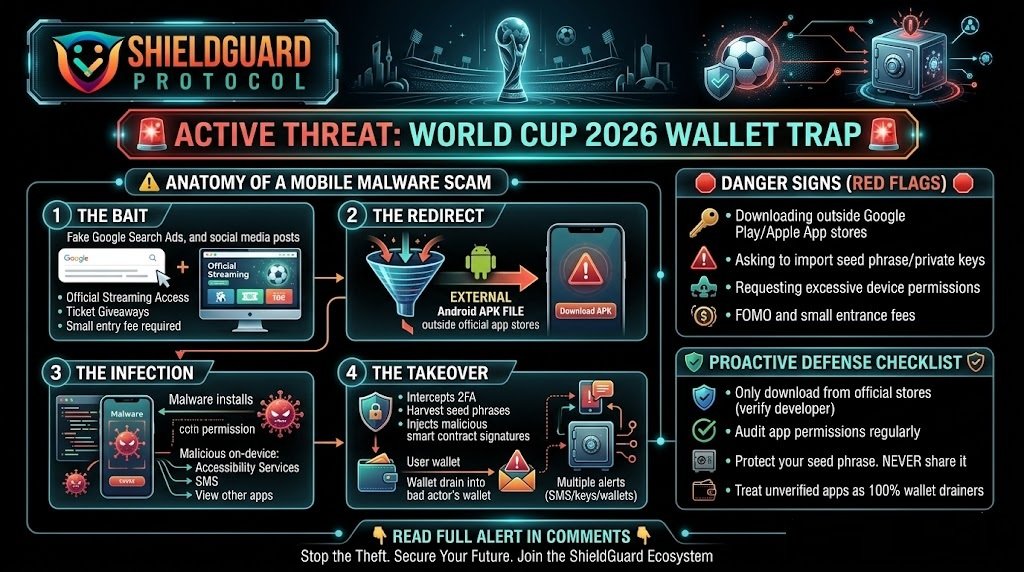
These fake sites are heavily promoted via social media (X, Discord, Telegram), often appearing as sponsored posts or direct messages from compromised accounts.
- Connecting Your Wallet: You connect your MetaMask, WalletConnect, or other Web3 wallet to the seemingly legitimate DApp. So far, so normal.
- The Malicious Signature Request: Here’s the critical point. Instead of a simple “connect” or “view” request, the site prompts you to “sign” a transaction or “approve” a contract interaction. This request often uses functions like:
permit: Grants a third party permission to spend your tokens without a transaction, using a signed message.approve: Grants a specific address (the scammer’s contract) permission to spend a certain amount of your tokens.setApprovalForAll: This is particularly dangerous for NFTs. It grants a contract permission to transfer all NFTs from a specific collection (or even all your NFTs) from your wallet.- The Silent Drain: Once you sign this malicious approval, the drainer contract immediately sweeps selected assets from your wallet. This happens rapidly and often in the background. Because you authorized the transaction, your wallet doesn’t typically show another confirmation pop-up for each individual asset being stolen – the initial signature was enough. Your funds vanish without a trace.
Key Distinction: This is not about giving away your seed phrase. It’s about being deceived into granting permissions that allow a malicious third party to directly interact with and drain your assets without needing your private key.
II. The Sneaky Cousin: Address Poisoning
While wallet drainers actively solicit a malicious signature, address poisoning is a stealthier tactic that exploits human error and relies on your complacency.
How the Scam Works:
- The Setup: A scammer sends a “dust transaction” (a very tiny, negligible amount of cryptocurrency, often less than a cent) to your wallet. The crucial detail is that the scammer’s sending address is carefully crafted to be almost identical to an address you’ve used before and frequently interact with (e.g., your deposit address on a centralized exchange, or a friend’s wallet address). It will match the first few and last few characters.
- The Trap: Later, when you intend to send funds to your legitimate address, you go to your wallet’s transaction history. You see a recent transaction from an address that looks correct.
- The Exploitation of Habit: Instead of copying the full, correct address from a verified source or your address book, you unknowingly copy the scammer’s “poisoned” address from your recent history. Because the start and end of the address look familiar, you paste it into your new transaction, only checking the beginning and end, a common shortcut users take.
- The Loss: You confirm and send your funds, believing they’re going to your intended recipient, but they are actually sent directly to the scammer’s address. This theft is silent, often unnoticeable until the funds don’t arrive where they’re supposed to.
Impact: A silent, often unnoticeable theft that preys on your reliance on transaction history and lack of full verification for every single transaction.
III. ShieldGuard Learn: Your Essential Defense Against Silent Thieves
Protecting yourself from these sophisticated attacks requires a multi-layered approach and unwavering vigilance.
1. The Golden Rule: ALWAYS Read Full Transaction Details!
* Don’t Blindly Click: Never click “Approve,” “Sign,” or “Confirm” in your wallet without first reading every detail of the transaction request.
* Understand What You’re Approving: Look for the type of action (e.g., “Set approval for all,” “Permit,” “Approve spending”), the contract address, and the specific assets or amounts involved. If it looks suspicious, or you don’t understand it, do not sign it.
2. Revoke Permissions Regularly:
* Over time, you grant many DApps permission to interact with your tokens. Malicious DApps might exploit old, forgotten permissions.
* Use tools like Revoke.cash or the “Token Approvals” checker on block explorers (e.g., Etherscan, BscScan, Polygonscan) to review and revoke unnecessary or suspicious token allowances. This is like changing the locks on your digital doors.
3. Isolate Your Funds: Use Multiple Wallets & Hardware Wallets
* “Hot” vs. “Cold” Wallets: Keep your significant, long-term holdings on a “cold storage” hardware wallet (e.g., Ledger, Trezor). This wallet should rarely, if ever, connect to DApps.
* “Burner” Wallets: Use a separate “burner” software wallet (hot wallet) with only small, disposable amounts of funds for interacting with new or experimental DApps, minting NFTs, or participating in airdrops. This limits potential losses if compromised.
* Hardware Wallets for Protection: A hardware wallet will require physical confirmation for every signature, forcing you to consciously review the details of what you’re approving, which is crucial for preventing drainer scams.
4. Strict Source Verification:
* Official Links ONLY: Only interact with DApps, exchanges, or crypto platforms via their verified official links. Find these directly from reputable sources like:
* CoinMarketCap or CoinGecko (check listed websites)
* Official project X/Twitter accounts (look for the blue checkmark)
* Official project Gitbook or documentation.
* Beware of DMs & Unsolicited Links: Never click suspicious links sent via direct messages, unsolicited emails, or pop-up ads. Always assume they are malicious. Even if a link appears in a legitimate-looking Discord or Telegram, cross-reference it.
5. Full Address Verification (Every Character, Every Time):
* Combat Address Poisoning: For every cryptocurrency transaction, copy and paste the entire destination address. Then, meticulously double-check every single character (or at least the first 5-6 and last 5-6 characters) against the legitimate, verified address.
* Use Address Books: For frequent recipients, save their addresses in your wallet’s address book and use that instead of relying on copy-pasting from transaction history.
6. Stay Informed & Education is Your Shield:
* Scammers are constantly evolving their tactics. Make it a habit to stay updated on the latest security threats.
* ShieldGuard Learn provides these critical insights to empower you. Regularly check our guides and articles to keep your defenses strong.
Conclusion: Trust, But Verify (and Then Verify Again)
The fight against crypto scams is an ongoing battle of wits. Malicious signatures, wallet drainers, and address poisoning represent some of the most advanced and pervasive threats in the current Web3 landscape. They target not just your funds, but your trust and habits.
Your vigilance is the strongest firewall. Arm yourself with knowledge, practice meticulous security hygiene, and leverage the tools available to protect your digital assets. The ShieldGuard Protocol is committed to providing the education and tools necessary to navigate these complex waters safely.
Stay Safe. Stay Shielded.