🚨 SECURITY ALERT: The $53 Billion “Fraud Factory” Crisis (Digital Arrest & Pig Butchering)
Severity: Critical (Global Transnational Threat) Active Vector: Extreme Social Engineering (Fear & Trust Manipulation) Target: Retail Investors, Everyday Citizens, and Vulnerable Job Seekers
Executive Summary
The crypto scam landscape has officially moved from isolated basement hackers to industrialized, transnational organized crime. A massive investigative report has just exposed sprawling “fraud factories” operating across Southeast Asia. These are highly organized, fortified compounds where thousands of trafficked individuals are held against their will and forced to execute devastating social engineering attacks on the global public.
This is the ultimate exploitation of the “human hack.” According to blockchain intelligence firm TRM Labs, these specific criminal networks have stolen a staggering $53 billion globally since 2023. This is not a blockchain failure or a smart contract bug; it is psychological warfare designed to terrify or seduce victims into willingly handing over their entire life savings.
The Anatomy of the Attack
These fraud factories operate two primary, devastating vectors:
1. “Digital Arrest” Scams (The Fear Hack)
- The Hook: Scammers pose as high-ranking law enforcement, customs officials, or tax authorities. They contact the victim claiming their identity, phone number, or bank account is linked to severe crimes like money laundering, drug trafficking, or illegal contraband.
- The Trap: The victim is placed under a fake “digital arrest.” They are ordered to keep their webcam on over Skype or WhatsApp, threatened with physical arrest if they log off, and strictly isolated from family and friends.
- The Drain: Terrified and desperate to “clear their name,” the victim is coerced into converting their bank savings into cryptocurrency and transferring it to a “secure government wallet” for verification. The funds instantly vanish into a web of shell exchanges and are laundered.
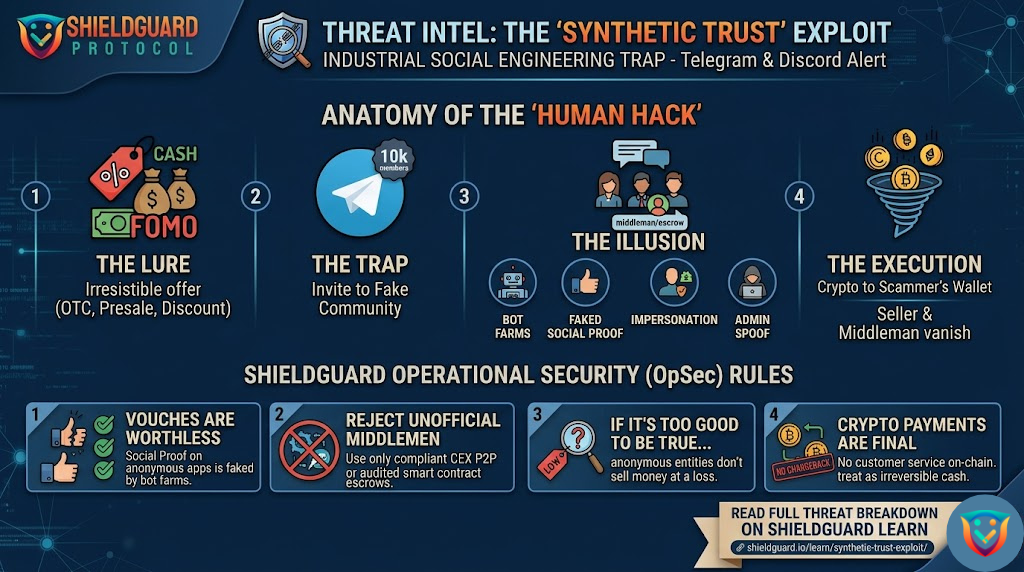
2. “Pig Butchering” / Shā Zhū Pán (The Trust Hack)
- The Hook: It often starts with a seemingly accidental text message (“Hi, is our meeting still on for 2 PM?”) or a fake profile on a dating app. The scammer spends weeks or even months building a deep romantic or platonic relationship with the target.
- The Trap: Once deep trust is established, the scammer casually introduces a “highly profitable” crypto investment strategy they have been using. They direct the victim to a fake trading platform that looks completely legitimate and shows fabricated, massive returns on initial small deposits.
- The Drain: The victim is encouraged to invest more and more of their wealth (fattening the pig). When they finally attempt to withdraw their funds, they are hit with massive fake “tax fees” or “unlocking fees.” Eventually, the platform shuts down, the scammer blocks them, and the money is gone (the slaughter).
The Dark Infrastructure: Mules & Shell Companies
To launder $53 billion, these syndicates rely on complex, real-world pipelines. They lure vulnerable people from regions like India with the promise of “easy income” to open bank and crypto exchange accounts in their names. These “mule accounts” are then used to rapidly chain-hop the stolen crypto across networks, mix it, and cash it out through underground banking networks, making it incredibly difficult for standard law enforcement to trace.
🛡️ ShieldGuard Preventive Education: The Defense Protocol
Protecting yourself requires recognizing the psychological triggers these syndicates use. Implement these rules immediately:
Rule 1: Law Enforcement Will Never Demand Crypto. No legitimate government agency, police force, or customs office will ever ask you to verify funds by sending cryptocurrency. If you are threatened with a “digital arrest,” disconnect the call immediately and contact your local police station directly.
Rule 2: Verify the “Accidental” Text. Never engage with unsolicited messages from unknown numbers, especially those that try to keep the conversation going or quickly pivot to mentioning wealth, crypto, or forex investments.
- Rule 3: Beware the “Insider” Secret. If an online friend or romantic partner claims to have an inside track on a crypto trading platform, it is a scam. Never invest money on a platform suggested by someone you have only met online.
- Rule 4: Stop the Muling Pipeline. Never “rent” your bank account, identity, or crypto exchange profile to a third party, no matter how much commission is offered. You become legally complicit in an international money-laundering operation.
Technology cannot patch human emotion. Education is your only firewall against organized psychological manipulation. Stay vigilant. – The ShieldGuard Security Team